

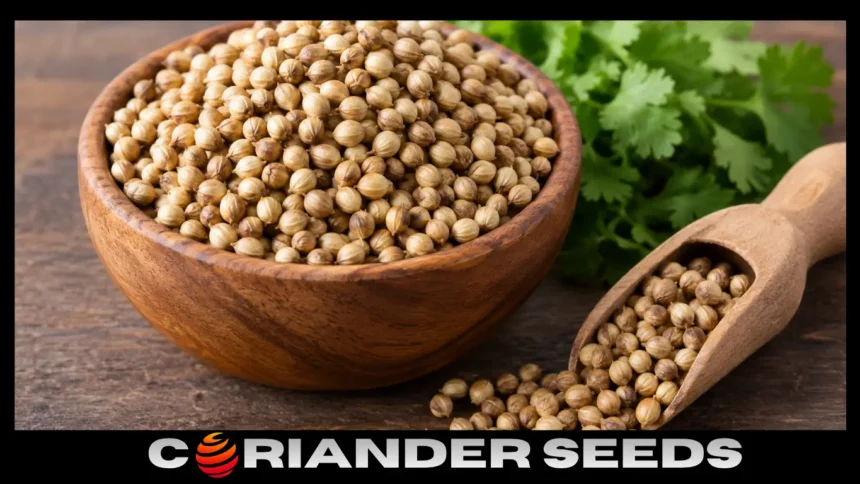
Coriander seeds are small, aromatic spices that have been used in cooking and traditional food practices for centuries. Harvested from the coriander plant, these round, light-brown seeds are valued for their warm, slightly citrusy flavor and versatility in both everyday meals and spice blends.
From curries and pickles to homemade spice powders and herbal beverages, coriander seeds have a place in many cuisines around the world. They are particularly popular in South Asian cooking, where they are often roasted, ground, or used whole to add depth and fragrance to dishes.
Beyond their culinary value, these seeds contain fiber, minerals, plant compounds, and antioxidants. Their nutritional profile has made them a subject of interest for people looking to include more naturally occurring plant foods and spices in their diets.
What Are Coriander Seeds?
Coriander seeds are the dried fruits of the Coriandrum sativum plant. Although they are commonly called seeds, botanically each dried coriander “seed” is actually a small fruit containing the plant’s seeds.
Fresh coriander leaves are commonly known as cilantro in some countries, while the dried seeds are generally called coriander seeds. Both come from the same plant but have noticeably different flavors.
Seeds have a warm, nutty, citrus-like aroma. Their flavor becomes deeper and more complex when they are lightly toasted before being ground or added to food.
Coriander Seeds at a Glance
- Botanical Name: Coriandrum sativum
- Common Name: Coriander seeds
- Plant Family: Apiaceae
- Flavor: Warm, earthy, nutty, and mildly citrusy
- Color: Light brown to golden brown
- Common Forms: Whole, crushed, roasted, and ground
- Popular Uses: Curries, spice blends, pickles, sauces, soups, and beverages
- Major Culinary Regions: South Asia, Middle East, Mediterranean, and Latin America
Their versatility makes them useful in both traditional recipes and modern cooking.
Nutritional Profile of Coriander Seeds
Coriander seeds contain several nutrients and naturally occurring plant compounds. They are especially useful as a flavoring ingredient because a relatively small quantity can contribute aroma and complexity to a dish.
They contain dietary fiber along with minerals such as iron, magnesium, calcium, and manganese. Like many spices, they also contain various antioxidant compounds.
However, these seeds are normally consumed in small amounts. Therefore, they should be viewed as a flavorful addition to an overall balanced diet rather than as a major source of daily nutrition.
Potential Antioxidant Properties
One of the reasons coriander seeds attract nutritional interest is their content of plant compounds with antioxidant activity.
Antioxidants help protect cells from oxidative stress caused by unstable molecules known as free radicals. The body naturally produces these molecules, while environmental factors and normal metabolic processes can also contribute to oxidative stress.
Coriander contains several aromatic compounds and polyphenols that have demonstrated antioxidant activity in laboratory research. However, laboratory findings do not automatically mean that eating coriander seeds produces a specific medical benefit in humans.
Including a variety of herbs, spices, fruits, vegetables, nuts, and whole grains can nevertheless contribute to a diverse intake of naturally occurring plant compounds.
Coriander Seeds and Digestion
Coriander seeds have traditionally been used in various cultures as part of food and beverages associated with digestion.
Their aromatic oils contain compounds that have been investigated for their effects on digestive processes. Coriander seeds also provide dietary fiber, particularly when consumed as part of the whole spice.
Some people enjoy coriander seed tea after meals because of its mild flavor and traditional association with digestive comfort.
It is important, however, not to treat coriander seeds as a replacement for medical treatment when persistent digestive symptoms occur.
May Support a Balanced Diet
Coriander seeds can make healthy cooking more enjoyable because they add substantial flavor without requiring large amounts of sugar, salt, or heavy sauces.
A small amount of toasted and ground coriander can transform vegetables, lentils, beans, chicken, fish, and rice dishes.
This makes coriander particularly useful for people trying to build flavorful meals from basic ingredients. Rather than relying entirely on processed sauces or seasoning mixes, whole spices can provide a simple way to develop more complex flavors.
Coriander Seeds and Heart-Healthy Cooking
Coriander seeds can be incorporated into meals that support an overall heart-conscious eating pattern.
For example, they can be combined with vegetables, legumes, whole grains, lean proteins, and other herbs and spices. Using flavorful spices may also help people reduce dependence on excessive salt while keeping food enjoyable.
Some laboratory and animal studies have investigated coriander’s possible effects on cholesterol and other cardiovascular markers. Human evidence is more limited, so coriander seeds should not be considered a treatment for heart disease or high cholesterol.
The broader value comes from using them as part of a varied and nutritious diet.
Coriander Seeds and Blood Sugar Research
Coriander has also been studied in relation to blood glucose regulation. Certain experimental studies have reported potentially interesting effects from coriander preparations.
These findings have contributed to interest in coriander as a traditional food ingredient with possible metabolic benefits. However, research involving animals or concentrated extracts cannot automatically be applied to ordinary culinary consumption.
People with diabetes or blood sugar concerns should therefore continue following their healthcare professional’s advice rather than relying on coriander seeds as a treatment.
Traditional Uses of Coriander Seeds
Coriander seeds have a long history in traditional cuisines and food practices.
They have been used in South Asian, Middle Eastern, Mediterranean, and other culinary traditions. Depending on the region, coriander may appear in curries, sausages, pickles, breads, soups, stews, sauces, and spice mixtures.
Traditional uses include:
- Preparing spice blends
- Flavoring lentil and vegetable dishes
- Making pickles
- Seasoning meat and fish
- Adding aroma to rice dishes
- Preparing herbal-style beverages
- Flavoring sauces and soups
- Making roasted spice powders
These traditional applications demonstrate why coriander has remained an important culinary spice across generations.
Coriander Seeds in South Asian Cooking
South Asian cuisine makes extensive use of coriander seeds. They are a fundamental ingredient in many homemade spice combinations.
Whole seeds may be fried briefly in oil at the beginning of cooking, allowing their aroma to spread through the dish. They can also be dry-roasted and ground into a powder.
Coriander powder is frequently combined with cumin, turmeric, chili, black pepper, cardamom, cinnamon, cloves, and other spices.
In Pakistani and Indian kitchens, coriander seeds are especially useful in curries, masalas, chutneys, lentil dishes, vegetable preparations, and meat recipes.
How to Roast Coriander Seeds
Lightly roasting coriander seeds is a simple way to intensify their aroma.
Place a dry pan over low to medium heat and add the whole seeds. Stir them frequently so they heat evenly without burning.
Once the seeds become fragrant and slightly darker, remove them from the pan and allow them to cool. They can then be ground into a powder using a spice grinder or mortar and pestle.
The key is gentle heat. Over-roasting can create a bitter or burnt flavor.
Coriander Seed Tea
Coriander seed tea is a simple beverage made by steeping or simmering the seeds in water.
A basic preparation involves lightly crushing a small amount of coriander seeds and adding them to hot water. After several minutes, the liquid can be strained and served warm.
Some people drink this seed tea after meals because they enjoy its mild, aromatic taste. It is important to remember that traditional use and personal experience are not the same as clinically established medical benefits.
Avoid adding excessive amounts of concentrated spice simply because a larger quantity may seem more effective.
Coriander Seeds vs. Coriander Powder
Whole coriander seeds and ground coriander come from the same plant, but they behave differently in cooking.
Whole seeds generally retain their aroma longer when stored correctly. Grinding releases their aromatic oils, producing a stronger fragrance but also making the spice more vulnerable to losing freshness over time.
For the best flavor, many cooks prefer to buy whole coriander seeds and grind small amounts when needed.
How to Store Coriander Seeds
Proper storage can help preserve the flavor and aroma of coriander seeds.
Keep them in an airtight container away from direct sunlight, heat, and moisture. A cool, dry kitchen cabinet is generally suitable.
Ground coriander should also be protected from humidity and excessive heat. If the spice develops an unusual smell, moisture, mold, or a noticeably stale flavor, it should be discarded.
Buying smaller quantities can be useful if you do not use coriander frequently.
Possible Side Effects and Precautions
Coriander seeds are generally used safely as a culinary spice, but individual reactions can vary.
Some people may experience an allergic reaction to coriander or other plants in the same botanical family. Symptoms could include itching, swelling, rash, or breathing difficulties.
People taking medications or using concentrated coriander supplements should also discuss their use with a healthcare professional, particularly if they have an existing medical condition.
For everyday cooking, moderate quantities are generally very different from concentrated extracts or supplements.
How Much Coriander Should You Use?
There is no universal amount of coriander seeds that everyone needs to consume. The appropriate quantity depends on the recipe and personal taste.
For cooking, a teaspoon or two may be enough to flavor an entire dish, depending on the ingredients and preparation method.
Because coriander is primarily a spice, it works best as part of a varied diet rather than being consumed in excessive quantities for supposed health effects.
Case Study: Turning a Simple Spice Into a Kitchen Essential
Coriander seeds provide an excellent example of how a basic ingredient can have multiple culinary applications.
Consider a homemade curry. Toasting coriander seeds before grinding them can create a deeper aroma than using a pre-ground spice alone. Combining that coriander with cumin, garlic, ginger, chili, and other ingredients can produce a balanced base for vegetables, lentils, or meat.
The same spice can then be used in pickling, roasted vegetables, rice dishes, marinades, and homemade masala.
This versatility is what makes coriander seeds valuable. They do not need to dominate a dish; instead, they help connect different flavors and create a more complete aroma.
Frequently Asked Questions About Coriander Seeds
What are coriander seeds?
Coriander seeds are the dried fruits of the coriander plant, Coriandrum sativum. They are commonly used as a whole spice or ground into powder.
What do coriander seeds taste like?
They have a warm, earthy, slightly nutty flavor with mild citrus-like notes.
Can coriander seeds be eaten whole?
Yes. Whole coriander seeds are commonly used in cooking, particularly in curries, pickles, spice blends, and roasted preparations.
Are coriander seeds the same as cilantro?
They come from the same plant, but they are different parts of it. Coriander seeds are the dried fruits, while cilantro generally refers to the fresh leaves and stems.
Can coriander seeds be roasted?
Yes. Lightly dry-roasting them can intensify their aroma and make them particularly flavorful when ground.
How should coriander seeds be stored?
Store them in an airtight container in a cool, dry, dark place away from moisture and direct heat.
Can coriander seeds be used to make tea?
Yes. Lightly crushed coriander seeds can be steeped or simmered in hot water to make an aromatic beverage.
Are coriander seeds good for health?
Coriander seeds contain fiber, minerals, antioxidants, and other plant compounds. They can be part of a balanced diet, although they should not be considered a substitute for medical treatment.
Final Thoughts
Coriander seeds are much more than a basic kitchen spice. Their distinctive aroma, warm flavor, and versatility have made them an important ingredient in cuisines around the world.
They can be roasted, ground, steeped, or used whole in everything from curries and rice dishes to pickles, marinades, and spice blends. They also contain naturally occurring plant compounds and nutrients that contribute to their nutritional interest.
The best way to enjoy coriander seeds is as part of a varied, balanced diet. Used thoughtfully, this humble spice can bring depth, aroma, and character to everyday meals while connecting modern cooking with centuries of culinary tradition.
For More Visits: PopularMagazine